
Home improvement grants in Kent are narrower than the adverts suggest. There is no grant for a new kitchen, a loft conversion, a roof or an extension. What does exist pays for energy upgrades (insulation, heat pumps, solar, heating controls) and for adaptations that let a disabled person stay in their home. Four routes are open to Kent homeowners in October 2026, one of them closes on 31 December, and one scheme that still turns up in sales calls ended in March.
Below is what each scheme pays, who qualifies, which Kent councils hold funding, and how to tell a real grant offer from a sales pitch.
The short answer: what is open in Kent now
- Warm Homes: Local Grant: free insulation, heat pumps, solar and controls for lower-income households in homes rated EPC D to G. Run by district councils; eight Kent councils plus Dartford (through Dover) hold funding.
- Boiler Upgrade Scheme: £7,500 off an air source or ground source heat pump, any income, plus £1,500 more until March 2027 if you are off the gas grid and heat with oil or LPG.
- Disabled Facilities Grant: up to £30,000 for adaptations such as a level-access shower, stairlift or ramp, after an assessment by a Kent County Council occupational therapist.
- ECO4: energy supplier-funded insulation and heating for low-income and vulnerable households. It ends on 31 December 2026 and work must be installed by then.
Two things are not grants but still cut the bill: the 0% VAT rate on installing energy-saving materials (until 31 March 2027) and the £150 Warm Home Discount off your electricity bill.
Warm Homes: Local Grant
This is the main government grant for upgrading a home in England, and the one most Kent households on a modest income should check first. According to GOV.UK, your home must be privately owned (by you or a landlord) and have an Energy Performance Certificate of D, E, F or G. Household income must usually be £36,000 a year or less, although you may still qualify above that if you live in an eligible postcode or someone in the household receives certain benefits.
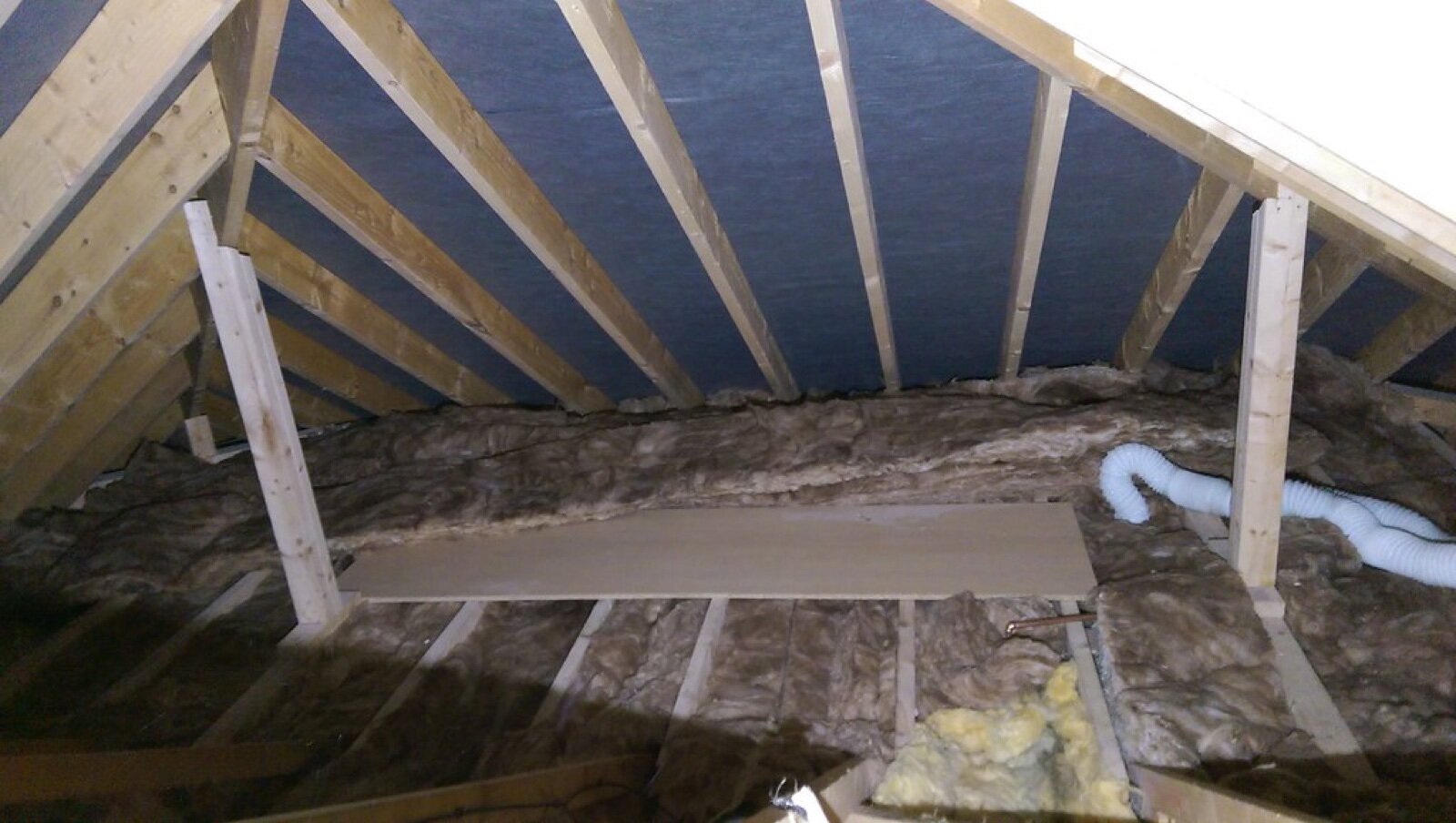
If you qualify and your council has money left, the council arranges a survey and then organises and pays for the work. Measures named on GOV.UK include wall, loft and underfloor insulation, air source heat pumps, smart controls and solar panels. You apply online, and the council usually contacts you within 10 working days. There is a helpline on 0800 098 7950.
Which Kent councils have the money
The grant only works where your council won funding. The government’s list of successful local authorities, updated in July 2026, includes these in Kent:
- Ashford: £1,500,000
- Canterbury: £1,500,000
- Dover, with Dartford as a consortium member: £2,186,318
- Gravesham: £1,117,648
- Medway: £1,305,900
- Sevenoaks: £1,670,000
- Thanet: £1,548,220
- Tunbridge Wells: £1,382,964
Maidstone, Swale, Tonbridge and Malling, and Folkestone and Hythe do not appear on that list. If you live there, the online checker is still the place to start, but expect to be pointed to ECO4 or the Boiler Upgrade Scheme instead. Funding is finite: a council that holds an allocation can still run out before the end of the year.
Boiler Upgrade Scheme: £7,500, no income test
This is the grant most Kent homeowners can actually use, because there is no income limit. GOV.UK lists the current amounts as £7,500 towards an air source heat pump, £7,500 towards a ground source heat pump, £5,000 towards a biomass boiler (rural, off-grid homes only) and £2,500 towards an air-to-air heat pump. Until March 2027 there is an extra £1,500 towards an air or ground source heat pump if the property is heated by oil or LPG and has no mains gas connection, which takes those grants to £9,000.
You must own the property and be replacing fossil fuel heating (gas, oil, LPG or electric). The installer applies for you, has to be MCS certified, and must commission the system within 120 days of the application. Hybrid systems, where a heat pump works alongside a gas boiler, do not qualify. We cover the process, the rural uplift and the paperwork in our Boiler Upgrade Scheme explainer.
Disabled Facilities Grant: up to £30,000
If someone in your home is disabled and needs changes to live there safely, this is the grant to ask about. Kent district councils, including Dover, Thanet and Sevenoaks, state a maximum of £30,000 per grant, and Thanet says it has no discretion to go above that. Typical works are a level-access shower, a stairlift, widened doors, a ramp or a ground-floor bathroom.
The order of events matters. In Kent the first step is an assessment by a Kent County Council occupational therapist, who recommends what work is needed; the district council then handles the grant itself. Sevenoaks District Council’s step-by-step guide spells this out. Grants are means tested for adults, so your income and savings can reduce the amount, although some councils skip the test for people on certain benefits.
Some councils place a charge on the property for larger grants. Dover, for example, may register a charge where the grant is over £5,000, capped at £10,000, repayable only if the home is sold within five years of the work finishing. Ask your own council how its policy works before you sign.
ECO4 closes on 31 December 2026
The Energy Company Obligation makes the larger energy suppliers pay for insulation and heating upgrades in lower-income and vulnerable households. Ofgem confirms that ECO4 now runs until 31 December 2026 after a nine-month extension. The government’s Warm Homes Plan says ECO is coming to an end, with support for low-income homes moving into government-run grants.
That date is a hard stop. Survey, approval and installation all have to fit inside it, and installers’ order books fill up as the deadline nears. If you are eligible and have been meaning to apply, do it this autumn rather than in December.
The Great British Insulation Scheme has already gone. GOV.UK states its eligibility checker has closed and installations had to be finished by 31 March 2026. Anyone selling you a “GBIS grant” now is out of date at best.
Help that is not a grant
0% VAT on energy-saving installations
HMRC’s VAT Notice 708/6 zero-rates the installation of specified energy-saving materials in homes from 1 May 2023 to 31 March 2027. That covers insulation, heat pumps, solar panels, batteries and heating controls when an installer supplies and fits them. On a £12,000 heat pump job that is £600 you would otherwise pay at the 5% rate due from April 2027. The relief applies automatically; check the quote shows VAT at 0%.
Warm Home Discount
The Warm Home Discount is a one-off £150 off your electricity bill, applied by your supplier, for eligible households. GOV.UK says the scheme reopens for winter 2026 to 2027 this month. It does not pay for any building work, but it is worth checking alongside the grants above.
Loans in the Warm Homes Plan
The Warm Homes Plan, published in 2026, commits £2 billion to zero and low-interest loans for solar panels, batteries and heat pumps, delivered with private lenders. We could not find an application route on GOV.UK when we checked in October 2026, so treat any lender claiming to offer “the government Warm Homes loan” with caution until the scheme is formally launched.
How to spot a fake grant offer
Grant schemes attract cold callers, and the ECO4 deadline will bring more. A few checks protect you:
- Start from GOV.UK or your council, not from a door-knocker or a Facebook advert. The Warm Homes: Local Grant checker and the council are the real routes in.
- No real grant needs an upfront fee to “secure your place” or “register your eligibility”.
- Check the installer’s credentials. Boiler Upgrade Scheme work needs an MCS certified installer, and government-funded insulation and heating work generally needs TrustMark registration. Our guide to TrustMark and other trade badges shows how to check a firm on the official registers.
- Be wary of free spray foam in the loft or external wall insulation pushed without a survey. GOV.UK itself flags quality problems with some solid wall insulation fitted under past schemes.
If you are planning a bigger project, such as an extension or a full refit, the grants above rarely touch it. The practical saving there comes from getting comparable quotes and timing any heating or insulation work so it qualifies. Browse more Kent renovation advice on the Contemporary Structures homepage.
Frequently asked questions
Are there home improvement grants for kitchens, roofs or extensions?
No. There is no national or Kent-wide grant for general renovation. Grants cover energy upgrades and disability adaptations. A roof or bathroom can be part of a grant only where it is needed for an energy measure or a disabled person’s needs.
Can I get a home improvement grant if I earn over £36,000?
Yes, for the Boiler Upgrade Scheme, which has no income test. The Warm Homes: Local Grant usually needs income of £36,000 or less, but you may still qualify through an eligible postcode or a household benefit.
Does my Kent council offer the Warm Homes: Local Grant?
Ashford, Canterbury, Dover with Dartford, Gravesham, Medway, Sevenoaks, Thanet and Tunbridge Wells hold funding on the July 2026 government list. Maidstone, Swale, Tonbridge and Malling, and Folkestone and Hythe are not on it.
When does ECO4 end?
On 31 December 2026, according to Ofgem. Work must be installed by then, so apply this autumn if you think you qualify.
How much is the Disabled Facilities Grant in Kent?
Up to £30,000, after a Kent County Council occupational therapist assessment. It is means tested for adults, and some councils add a charge on the property for grants over £5,000.
Do I have to repay a home improvement grant?
Not usually. The Boiler Upgrade Scheme and Warm Homes: Local Grant are not repayable. A Disabled Facilities Grant can be partly repayable through a property charge if you sell within a set period, depending on your council’s policy.
Related guides
- Conservatory Roof Replacement vs Glass Film: Which Fixes a Too-Hot, Too-Cold Conservatory?
- Air Source Heat Pump Cost in 2026 After the £7,500 Grant: What You Actually Pay
- Do You Need Planning Permission for a Rear Extension in Kent? 2026 Permitted Development Rules
- How Much Does a Conservatory Base Cost in the UK? (2026 Price Guide)
- Do You Need a Party Wall Agreement for a Rear Extension? Cost and Rules Explained
- Underfloor Heating vs Radiators for a Home Extension: Cost, Running Bills and Which to Choose
- How Much Does a House Extension Cost in 2026? Full UK Price Breakdown
- Loft Conversion Cost and Types: Dormer, Hip-to-Gable and Velux Explained
- House Extensions: The Complete UK Homeowner’s Guide
- Single Storey Extension Ideas, Costs and Planning Rules
- Double Storey Extensions: Costs, Designs and What You Can Build
- Side Return Extensions Explained: Cost, Light and Layout
- Garage Conversion Guide: Cost, Building Regs and Best Uses
- Extension vs Moving House: Which Is Better Value in Kent?
- Wraparound vs Rear Extension: Cost and Space Compared
- House Extension Builders in Kent: Costs, Lead Times and How to Choose
- Conservatory Guide: Styles, Costs and How to Choose One
- How Much Does a Conservatory Cost in 2026? UK Prices by Type
- Conservatory vs Orangery vs Extension: Which to Build?
- Conservatory Roof Options: Glass, Polycarbonate and Tiled Compared
- How to Keep a Conservatory Warm in Winter and Cool in Summer
- Tiled Conservatory Roof Cost and Replacement Process Explained
- Conservatories in Kent: Choosing an Installer, Costs and What to Ask
- Roofing Guide: Repairs, Replacement, Materials and Costs
- New Roof Cost UK 2026: Replacement Prices by Roof Type
- Roof Repair Cost UK 2026: Slipped Tiles and Flashing Prices
- 7 Signs Your Roof Needs Replacing (and What You Can Ignore)
- Flat Roof vs Pitched Roof: Cost, Lifespan and Best Uses
- EPDM vs Felt vs Fibreglass Flat Roofs Compared
- Roof Tile Types Explained: Clay, Concrete and Slate Compared
- Fascias, Soffits and Guttering: When to Replace and What It Costs
- How to Find a Good Roofer: Vetting Checklist for UK Homeowners
- Roofers in Kent: Costs, How to Choose and What to Ask in 2026
- Kitchen Renovation Guide: Planning, Cost and Design in 2026
- How Much Does a New Kitchen Cost in 2026? UK Price Guide
- Kitchen Layout Ideas: Galley, L-Shape, Island and Open Plan
- Worktops Compared: Quartz vs Granite vs Laminate vs Solid Wood
- Fitted vs Bespoke vs Flat-Pack Kitchens: Cost and Quality
- Kitchen Island Ideas, Sizes and Costs: A 2026 UK Guide
- Open Plan Kitchen Diner: Costs, Layouts and Knock-Through Rules
- How Long Does a Kitchen Fitting Take? Realistic UK Timeline
- Kitchen Fitters in Kent: Costs and How to Choose (2026)
- Bathroom Renovation Guide: Planning, Cost and Layout
- New Bathroom Cost 2026: What You’ll Pay in the UK
- Small Bathroom Ideas: Layouts That Feel Bigger
- Wet Room Cost 2026: £2,000 to £9,000 Fitted, by Size
- En Suite Cost and Minimum Size: £4,000 to £10,000 in 2026
- Electric vs Mixer vs Power Shower: What Your Boiler Allows
- Bathroom Underfloor Heating Cost: 16p an Hour to Run
- Window Replacement Cost 2026: £350 to £600 Per uPVC Window
- uPVC vs Aluminium Windows: the 1.4 U-Value Rule
- How Long Does a Bathroom Take to Fit? 5 to 10 Working Days
- Double vs Triple Glazing: Part L Still Stops at 1.4
- Bathroom Fitters in Kent: What to Ask Before You Pay
- Sash Window Repair or Replace? What Kent Councils Allow
- Bifold vs Sliding Doors: What Building Regs Actually Set
- Composite Door Cost 2026: £550 to £2,350 Fitted
- Window Energy Ratings: Band B Is the Rule, Not C
- Replacement Windows: the 1.4 U-Value and Vent Rules
- Double Glazing Kent: the 1.4 U-Value Every Quote Must Hit
- Heat Pumps in Kent: the £7,500 Grant and the 1.5m³ Rule
- Heat Pump vs Gas Boiler: Break-Even Is a SCOP of 3.0
- Permitted Development Rights: The 8m Rear Extension Rule
- Air Source vs Ground Source Heat Pump: £13k or £26k?
- Building Regulations Approval: Kent Fees, 10-Year Rule
- Boiler Upgrade Scheme: £9,000 Grants From 21 July 2026
- New Boiler Cost 2026: £1,800 to £4,500 Fitted
- Do Heat Pumps Work in Old Houses? Yes, With 3 Conditions
- Heat Pump Installers in Kent: 8 Checks Before You Sign
- House Rendering in Kent: When the Wall Must Be Insulated
- What Is TrustMark? The Kent Trade Badges That Count