
A conservatory is still one of the most cost-effective ways to add bright, usable space to a UK home, but the choices behind that single word are wide. Style, frame material, roof type and glazing all change how the room looks, how much it costs and whether you can actually use it in January. This guide walks through the main conservatory styles, realistic 2026 prices, roof and material options, and the planning and building rules that decide what you can build.
Conservatory styles explained
Most UK conservatories fall into a handful of recognisable shapes. The right one depends on your budget, the size and orientation of your garden, and how the room will join the house.
Lean-to
A simple single-slope roof against the house, the lean-to is the most affordable and the easiest to fit under a low bungalow eaves or a flat above. It suits modern homes and tighter budgets and is quick to build.
Victorian
The classic faceted bay front with a steeply pitched roof and ornate ridge detail. A Victorian conservatory has three or five facets, giving a rounded, period feel that works well on traditional houses.
Edwardian
A square or rectangular footprint with a pitched roof, the Edwardian style trades the Victorian’s curves for usable corners, so you get more practical floor space for furniture from the same footprint.
Gable-front
Similar to an Edwardian but with a tall, upright front gable rather than a sloped roof at the front, creating a sense of height and light. It is a striking choice on larger homes.
P-shaped and other combinations
Larger builds often combine shapes, such as a lean-to joined to a Victorian section in a P, T or L plan. These suit bigger gardens and let you zone the room, for example a dining area and a sitting area.
Orangery
Strictly a halfway house between a conservatory and an extension, an orangery uses more brick, a flat perimeter roof with a glazed lantern, and feels more like a permanent room. It costs more but reads as part of the house.
How much does a conservatory cost?
As a broad guide for 2026, a fully fitted conservatory in the UK runs from around 8,000 pounds to 30,000 pounds or more, with a typical mid-range build near 15,000 pounds. The figure depends on size, style, frame material, roof and groundworks. Rough installed ranges look like this:
- Small uPVC lean-to (around 2.5m x 2.5m) with a polycarbonate roof: about 8,000 to 12,000 pounds.
- Mid-size Victorian or Edwardian (around 3m x 3m to 4m x 3m) with a glass roof: about 13,000 to 26,000 pounds.
- Larger orangery or a build with a solid tiled roof, underfloor heating and premium glazing: 30,000 pounds and upward.
A lean-to of a given size is usually 30 to 40 per cent cheaper than a Victorian or Edwardian of the same footprint because the roof is simpler. Groundworks, a difficult access or removing an old conservatory all add to the bill, so always get itemised quotes.
Conservatory roof options
The roof is the single biggest factor in whether a conservatory is comfortable all year. You have three broad choices.
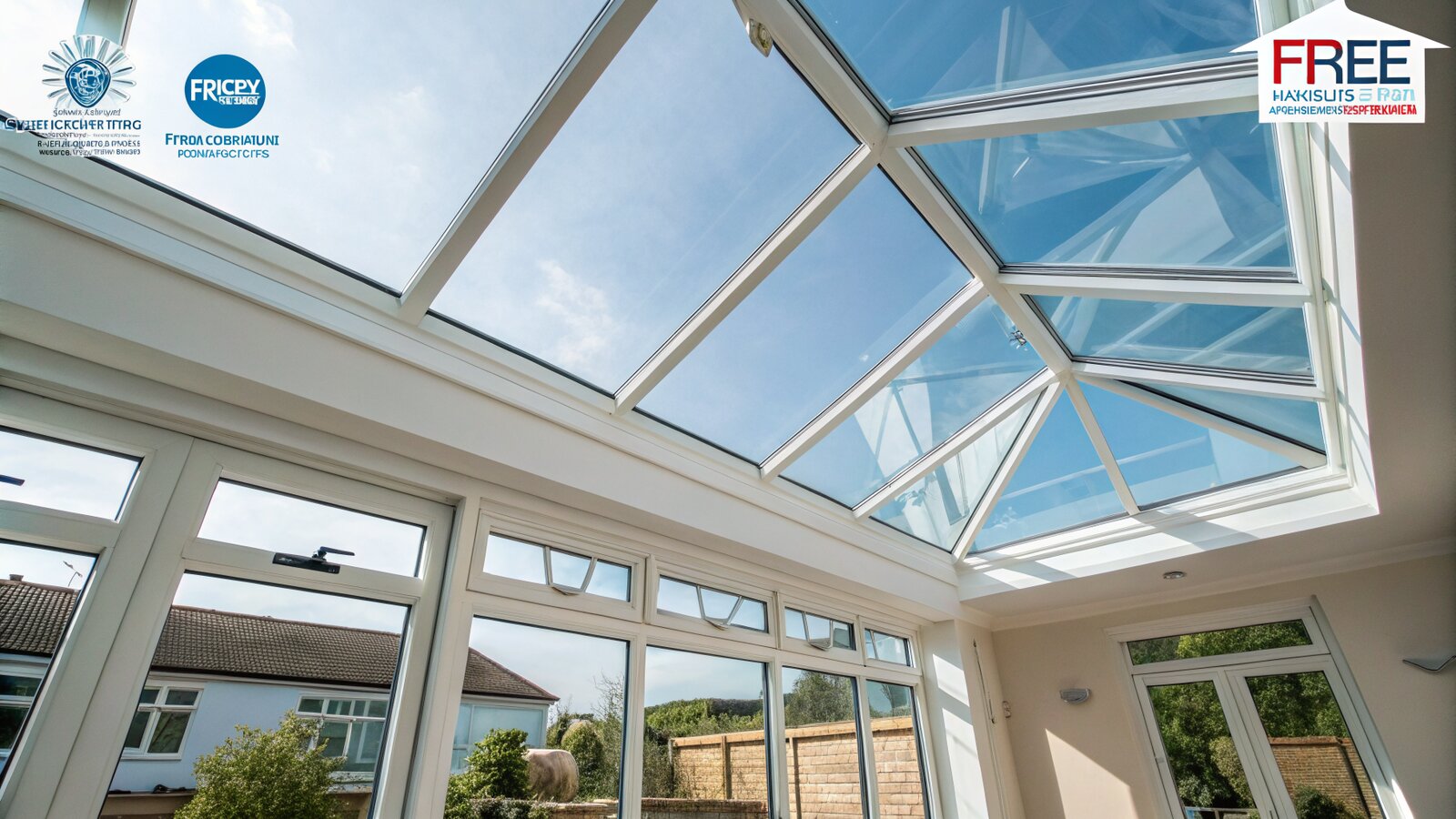
Polycarbonate is the cheapest and lightest, but it is noisy in rain and poor at holding heat, so a polycarbonate room is typically a spring-to-autumn space. Glass with a modern self-cleaning, solar-control coating is the popular middle ground, letting in light while cutting glare and heat loss far better than polycarbonate. A solid or tiled roof turns the room into a year-round space with proper insulation, and replacing a tired glass or polycarbonate roof with a tiled one typically costs in the region of 6,000 to 15,000 pounds depending on size and shape. A tiled roof usually needs building control sign-off because it changes the structure and thermal performance, which the next section covers.
Frames and materials: uPVC, aluminium and timber
uPVC is the default for most conservatories: affordable, low maintenance and available in white, woodgrain and grey finishes. Aluminium is stronger and allows slimmer sightlines and bigger panes, so it suits contemporary, glass-heavy designs, at a higher price. Timber gives the most authentic period look and is sometimes required in conservation areas, but it costs more and needs regular upkeep. For most homeowners the decision comes down to how modern you want the look and how much maintenance you are willing to do.
Glazing matters as much as the frame. Modern conservatories use double-glazed units, and the better ones add a low-emissivity coating to keep warmth in during winter and a solar-control tint to cut glare and overheating in summer. Self-cleaning glass on the roof reduces how often you need to climb up and wash it. Paying a little more for the glass spec is usually money better spent than upgrading decorative trims, because it directly affects how comfortable the room feels day to day.
Do you need planning permission or building regs?
Many conservatories are built under permitted development and do not need planning permission, provided they stay within the size, height and boundary limits and the property has not had its rights removed. Conservation areas, listed buildings and homes where permitted development has been withdrawn are the common exceptions, so always check first. The official rules are set out on the Planning Portal conservatories page.
Conservatories are often exempt from building regulations when they are under 30 square metres, separated from the house by external-quality doors, and have an independent heating system. The moment you fit a solid roof, knock through to the house, or build an orangery, building regulations usually apply and you will need approval. For glazing standards and finding a competent installer, the Glass and Glazing Federation is a reliable reference.
How to choose the right conservatory
Start with how you will use the room and how often. If you want a true year-round space, budget for a glass or solid roof, good glazing and a heating plan from the outset, because retrofitting comfort is expensive. Match the style to the house and the garden, get three itemised quotes that separate the build from the groundworks, and check the installer’s accreditations and guarantees. For more home improvement guides and local advice, see the Contemporary Structures homepage.
Frequently asked questions
How much does a conservatory cost in 2026?
A fully installed conservatory typically costs between 8,000 and 30,000 pounds, with most mid-range builds around 15,000 pounds. Small uPVC lean-tos sit at the lower end, while orangeries and tiled-roof builds with premium glazing run higher.
Which conservatory style is cheapest?
A lean-to is usually the most affordable because its single-slope roof is simple to build. It is typically 30 to 40 per cent cheaper than a Victorian or Edwardian of the same size.
Can I use a conservatory all year round?
Yes, if it is specified for it. A glass roof with solar-control coating, good frames and a heating plan make a room usable across the year, and a solid or tiled roof makes it fully year-round. A basic polycarbonate roof tends to be too hot in summer and too cold in winter.
Do I need building regulations for a conservatory?
Often not, if it is under 30 square metres, separated from the house by external doors and heated independently. However, fitting a solid or tiled roof, removing the dividing doors, or building an orangery usually means building regulations approval is required.
Does a conservatory add value to a house?
A well-built, well-insulated conservatory that genuinely extends usable living space can add value, while a cheap, cold add-on can put buyers off. Quality of build, how it joins the house and year-round usability matter more than size.
Related guides
- Conservatory Roof Replacement vs Glass Film: Which Fixes a Too-Hot, Too-Cold Conservatory?
- Air Source Heat Pump Cost in 2026 After the £7,500 Grant: What You Actually Pay
- Do You Need Planning Permission for a Rear Extension in Kent? 2026 Permitted Development Rules
- How Much Does a Conservatory Base Cost in the UK? (2026 Price Guide)
- Do You Need a Party Wall Agreement for a Rear Extension? Cost and Rules Explained
- Underfloor Heating vs Radiators for a Home Extension: Cost, Running Bills and Which to Choose
- How Much Does a House Extension Cost in 2026? Full UK Price Breakdown
- Loft Conversion Cost and Types: Dormer, Hip-to-Gable and Velux Explained
- Kent Home Improvement News: June 2026
- House Extensions: The Complete UK Homeowner’s Guide
- Single Storey Extension Ideas, Costs and Planning Rules
- Double Storey Extensions: Costs, Designs and What You Can Build
- Side Return Extensions Explained: Cost, Light and Layout
- Kent Home Improvement News: Mid-June 2026
- Garage Conversion Guide: Cost, Building Regs and Best Uses
- Extension vs Moving House: Which Is Better Value in Kent?
- Wraparound vs Rear Extension: Cost and Space Compared
- House Extension Builders in Kent: Costs, Lead Times and How to Choose
- Kent Home Improvement News: Late June 2026
- How Much Does a Conservatory Cost in 2026? UK Prices by Type
- Conservatory vs Orangery vs Extension: Which to Build?
- Conservatory Roof Options: Glass, Polycarbonate and Tiled Compared
- Kent Home Improvement News: Early July 2026
- How to Keep a Conservatory Warm in Winter and Cool in Summer
- Tiled Conservatory Roof Cost and Replacement Process Explained
- Conservatories in Kent: Choosing an Installer, Costs and What to Ask
- Kent Home Improvement News: Mid-July 2026
- Roofing Guide: Repairs, Replacement, Materials and Costs
- New Roof Cost UK 2026: Replacement Prices by Roof Type
- Roof Repair Cost UK 2026: Slipped Tiles and Flashing Prices
- 7 Signs Your Roof Needs Replacing (and What You Can Ignore)
- Flat Roof vs Pitched Roof: Cost, Lifespan and Best Uses
- EPDM vs Felt vs Fibreglass Flat Roofs Compared
- Kent Home Improvement News: Mid-July 2026
- Roof Tile Types Explained: Clay, Concrete and Slate Compared
- Fascias, Soffits and Guttering: When to Replace and What It Costs
- How to Find a Good Roofer: Vetting Checklist for UK Homeowners
- Roofers in Kent: Costs, How to Choose and What to Ask in 2026
- Kitchen Renovation Guide: Planning, Cost and Design in 2026
- How Much Does a New Kitchen Cost in 2026? UK Price Guide
- Kitchen Layout Ideas: Galley, L-Shape, Island and Open Plan
- Worktops Compared: Quartz vs Granite vs Laminate vs Solid Wood
- Fitted vs Bespoke vs Flat-Pack Kitchens: Cost and Quality
- Kitchen Island Ideas, Sizes and Costs: A 2026 UK Guide
- Kent Home Improvement News: Late July 2026
- Open Plan Kitchen Diner: Costs, Layouts and Knock-Through Rules
- How Long Does a Kitchen Fitting Take? Realistic UK Timeline
- Kitchen Fitters in Kent: Costs and How to Choose (2026)
- Bathroom Renovation Guide: Planning, Cost and Layout
- New Bathroom Cost 2026: What You’ll Pay in the UK
- Kent Home Improvement: Roofing Costs Rise (Aug 2026)
- Small Bathroom Ideas: Layouts That Feel Bigger
- Wet Room Cost 2026: £2,000 to £9,000 Fitted, by Size
- En Suite Cost and Minimum Size: £4,000 to £10,000 in 2026
- Kent Home News: £9,000 Heat Pump Grant Now Open
- Electric vs Mixer vs Power Shower: What Your Boiler Allows
- Bathroom Underfloor Heating Cost: 16p an Hour to Run
- Window Replacement Cost 2026: £350 to £600 Per uPVC Window
- uPVC vs Aluminium Windows: the 1.4 U-Value Rule
- How Long Does a Bathroom Take to Fit? 5 to 10 Working Days
- Home Improvement News: Solar Up 14%, Heat Pumps Down 17%
- Double vs Triple Glazing: Part L Still Stops at 1.4
- Bathroom Fitters in Kent: What to Ask Before You Pay
- Sash Window Repair or Replace? What Kent Councils Allow
- Bifold vs Sliding Doors: What Building Regs Actually Set
- Composite Door Cost 2026: £550 to £2,350 Fitted
- Window Energy Ratings: Band B Is the Rule, Not C
- Replacement Windows: the 1.4 U-Value and Vent Rules
- Double Glazing Kent: the 1.4 U-Value Every Quote Must Hit
- Heat Pumps in Kent: the £7,500 Grant and the 1.5m³ Rule
- Heat Pump vs Gas Boiler: Break-Even Is a SCOP of 3.0
- Permitted Development Rights: The 8m Rear Extension Rule