
A garage conversion is one of the cheapest ways to add a proper room to a Kent home, because the walls, roof and floor already exist. Most people use a garage for storage rather than the car, so turning that space into a home office, a bedroom or a utility room often makes more sense than paying for an extension. This guide covers what the work involves, what it costs in 2026, when you need planning permission, the building regulations that always apply, and how to decide whether losing the parking is worth it.
What a garage conversion involves
Start by establishing the type of garage you have, because it changes the scope of the job.
- Integral garage: built into the footprint of the house, sharing walls with rooms you already heat. The simplest and cheapest to convert, because services are close by and the structure is already part of the dwelling.
- Attached garage: joined to the side of the house but with its own external walls. Slightly more work to tie services across, but still straightforward.
- Detached garage: a separate building. The most involved option, because you may need to run drainage, water and a heating route across the garden, and the room is treated more like a small outbuilding or annexe.
A single garage gives you roughly 13 to 18 square metres of usable floor once it is lined out, enough for an office, a snug or a small bedroom. A double garage gives you closer to 30 square metres, opening up a bedroom with an en-suite, an open-plan kitchen-diner, or a self-contained annexe. The core tasks are the same in every case: close up the garage door opening with a new wall, build up and insulate the floor, insulate the walls and ceiling, sort out heating and ventilation, and fit the electrics, plastering and finishes.
Garage conversion cost in 2026
As a rough guide, a single integral or attached garage conversion in the UK typically runs from around £8,000 at the basic end to £20,000 or more for a well-finished room. A double garage costs more because of the larger floor area and extra labour, and detached conversions sit at the top of the range once you add drainage and a separate heating supply. A room with a bathroom or kitchen, which brings in plumbing and waste, always costs more than a dry room like an office.
The factors that drive your final price are:
- Plumbing and drainage: an en-suite, kitchen or utility means new supply pipes and waste runs, sometimes to an awkward connection point.
- Floor build-up: garage floors usually sit lower than the house floor and rarely have a proper damp-proof membrane, so the floor often has to be dug out or built up. One of the biggest hidden costs.
- Heating: extending the existing central heating with a new radiator is cheaper than adding electric heating zones or upsizing a boiler already at capacity.
- Specification: bifold doors, fitted joinery, underfloor heating and high-end finishes can double the price of an otherwise simple room.
Compared with a single-storey rear extension, which costs far more per square metre, a conversion is usually the better value way to gain a room, provided the garage is structurally sound to start with.
Do you need planning permission?
In most cases, no. Converting a garage into a habitable room is generally allowed under permitted development, because the work is internal and does not enlarge the building. The Planning Portal confirms that planning permission is not usually required, providing the work is internal and the building is not made larger.
You do need to check or apply for planning permission in these situations:
- Creating a separate dwelling: if the converted garage becomes a self-contained home in its own right, planning permission is always required, regardless of who will live in it.
- Flats and maisonettes: permitted development rights for this kind of work apply to houses, not to flats or maisonettes.
- Article 4 directions: some councils remove permitted development rights from particular streets or new-build estates through an Article 4 direction, so a conversion that would normally be permitted needs a full application.
- Conservation areas and listed buildings: tighter controls apply, and changes to the external appearance, such as the new front wall where the door was, may need consent. Listed building consent is a separate requirement.
- Altering the exterior significantly: if you widen the opening, change the roof or substantially alter the look of the front, that can tip the job into needing permission.
Even when permission is not needed, many people apply for a Lawful Development Certificate from the council. It is not a planning application, it is formal confirmation that the work is lawful, and it removes doubt when you come to sell. Ring your local planning authority before you start if you are at all unsure, because new housing estates and conservation areas are the two settings where rights are most often restricted.
Building regulations that always apply
Planning permission and building regulations are two separate things. A garage conversion almost always needs building regulations approval even when it does not need planning permission, because you are turning an unheated store into a room people will live in. You apply to your local authority building control team or to an approved inspector, and the work is checked at key stages.
The main areas that get scrutinised are:
- Thermal insulation (Part L): the new walls, floor and roof must hit modern energy targets. In practice that means rigid insulation board on the inside of single-skin garage walls, insulation in the floor build-up, and insulation at ceiling or roof level. A new wall where the garage door was, and any new window, must also meet current standards.
- Damp proofing: garages are rarely built to keep a room dry. A damp-proof membrane is laid across the floor and linked to the damp-proof course in the walls, and the existing wall damp-proof course should sit at least 150mm above the outside ground level. If it does not, that has to be addressed.
- Floor build-up: because the slab usually has no membrane and sits low, the floor is commonly rebuilt with a membrane, insulation and a new screed or an insulated timber floor to bring it level with the house and meet the insulation target.
- Ventilation: rooms need background and purgeable ventilation, and any new bathroom or kitchen needs extract ventilation to control moisture.
- Fire safety: escape routes, doors and the way the new room connects to the rest of the house all matter, especially where the conversion creates an inner room or a bedroom.
- Electrics (Part P): adding new circuits is notifiable work. Either use an electrician registered with a competent person scheme who can self-certify and issue a compliance certificate, or notify building control directly. An uncertified installation causes problems when you sell, so do not skip this.
Your local building control team is the authority on which standards apply to your specific property, and details of the building regulations process are on GOV.UK.
Structural work and common surprises
The headline structural job is closing up the garage door opening. The new wall has to carry any load above it, tie into the existing brickwork, be insulated, and ideally match the house so the front does not look like a filled-in garage. Many designs include a window in the new wall to bring daylight into the room, which is often essential for a bedroom or office.
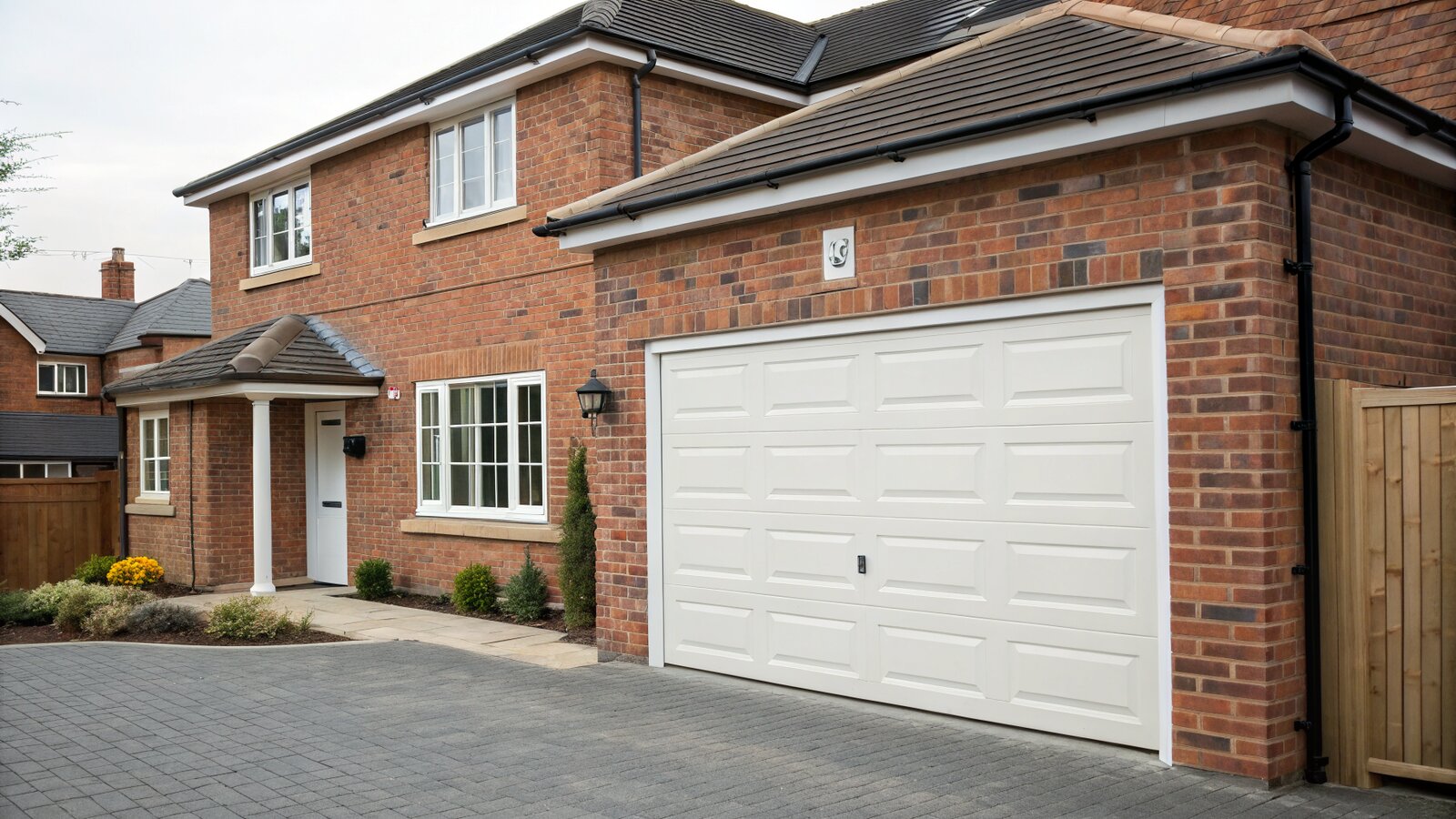
Before any of that, the foundations and the existing slab need checking. Garage foundations are sometimes shallower than house foundations, and the slab may not be suitable for a habitable floor. A builder or surveyor should confirm the structure is sound, look for signs of damp, and decide whether the floor needs digging out or building up. Catching these issues early stops them turning into expensive mid-project surprises.
Best uses for the new room
The most popular conversions, and the ones that tend to add the most value, are:
- Home office: the easiest and cheapest, since it needs no plumbing. Demand for a dedicated workspace remains high.
- Extra bedroom, ideally with an en-suite: a bedroom with its own shower room often gives the strongest uplift in value, though the en-suite adds cost.
- Playroom or family room: a flexible space that keeps mess and noise away from the main living areas.
- Utility room or downstairs WC: moving the washing machine, boiler and laundry out of the kitchen is a practical win in a family home.
- Annexe: a self-contained space for a relative or guests, more common with detached or double garages, and the most likely to trigger a planning check if it becomes a separate dwelling.
Match the use to the house. Turning the only spare room into a fourth bedroom can backfire if it leaves no flexible space; an office or family room is often the safer choice for resale.
Parking, value and the Kent angle
A good conversion typically adds value. Research cited by Nationwide and repeated by estate agents puts the uplift in the region of 10% to 20%, depending on the room created and the local market, with a bedroom and en-suite at the top of that range. The biggest caveat is parking. If the garage is your only off-street parking, losing it can put off buyers and offset some of the gain, particularly where on-street parking is tight.
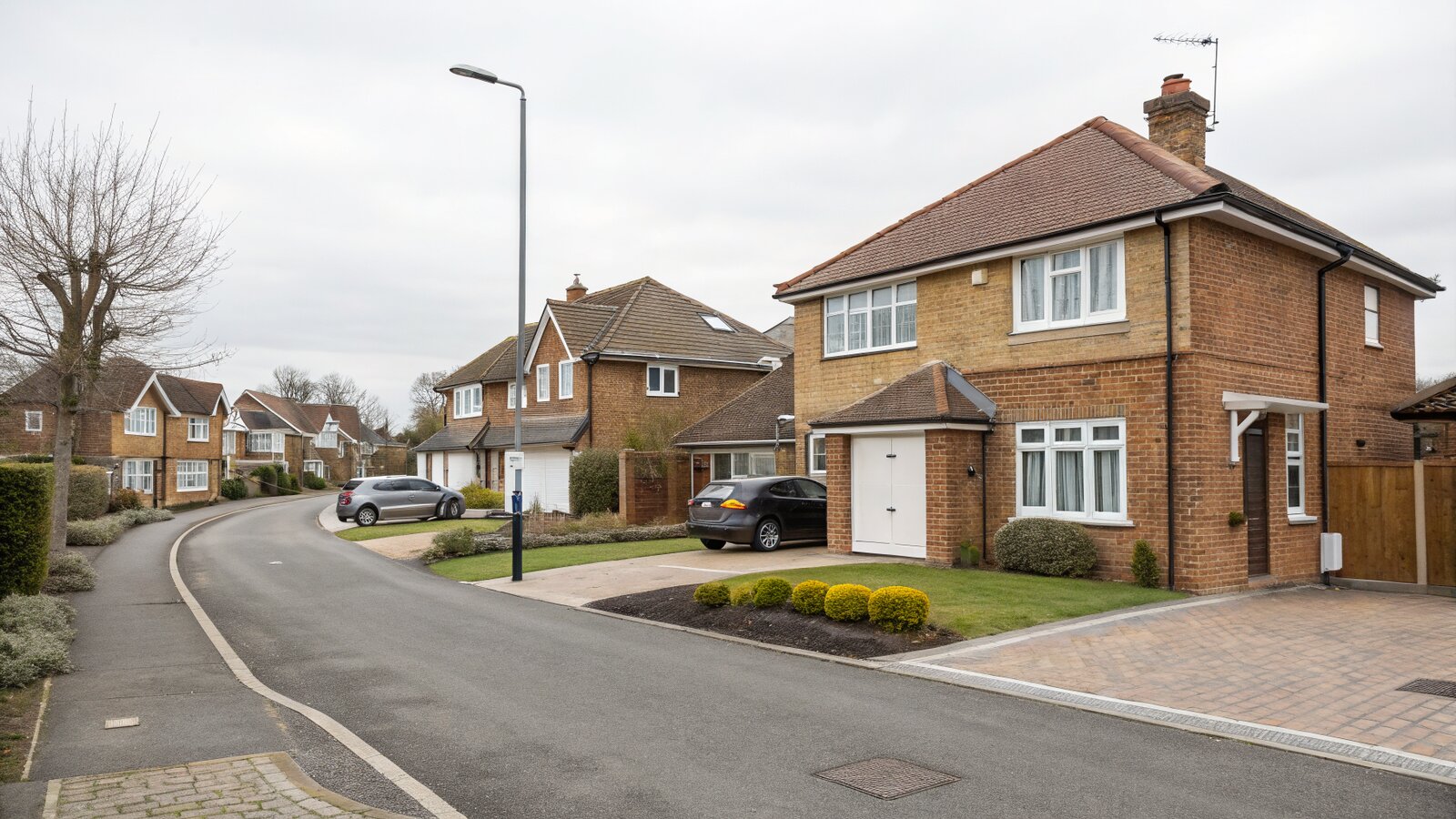
This matters across Kent in specific ways. In commuter towns such as Sevenoaks, Tonbridge and Tunbridge Wells, and in the parts of Bromley and Bexley that border London, off-street parking is valuable and buyers notice when it disappears, so think hard before giving up the only space. Kent also has many conservation areas where permitted development rights are more likely to be restricted, and on newer estates an Article 4 direction or estate-specific condition can remove the right to convert without an application. The practical step is the same everywhere: confirm parking provision and check restrictions with your local council before you commit, and ask a local estate agent what buyers in your town actually want.
If you want help planning a conversion that meets the regulations and suits your property, start at the Contemporary Structures homepage.
Frequently asked questions
Do I need planning permission to convert my garage?
Usually not, because the work is internal and counts as permitted development. You will need permission if the garage becomes a separate dwelling, if you live in a flat or maisonette, if your council has issued an Article 4 direction, or if the property is in a conservation area or listed. Check with your local planning authority first, and consider a Lawful Development Certificate as proof the work is lawful.
Does a garage conversion always need building regulations approval?
Almost always, yes. Turning an unheated garage into a habitable room triggers building regulations covering insulation, damp proofing, ventilation, fire safety and electrics. You apply to local authority building control or an approved inspector, and the work is inspected. This is separate from planning permission, so you can need one without the other.
How much does a garage conversion cost?
A single integral or attached garage conversion typically ranges from around £8,000 for a basic room to £20,000 or more for a high specification. Double and detached conversions cost more, and adding a bathroom or kitchen raises the price because of the plumbing and drainage. The floor build-up and damp proofing are common hidden costs.
Will converting my garage add value to my home?
It often does. Figures cited by Nationwide and repeated by estate agents put the uplift around 10% to 20%, with a bedroom and en-suite usually giving the strongest return. The main risk is losing off-street parking, which can reduce the appeal in areas where parking is scarce. Speak to a local estate agent about what buyers in your town actually want.
Do I need a certified electrician for the work?
For new circuits, yes. Electrical work in a conversion is notifiable under Part P, so it must be done by an electrician registered with a competent person scheme who can self-certify, or notified to building control. An uncertified installation can cause problems and delays when you sell.
Can I convert a detached garage into an annexe?
Often yes, but it is more involved. You may need to run drainage, water and a heating route across the garden, and the building is treated more like a small outbuilding. If the annexe becomes fully self-contained and used as a separate home, planning permission is required, so confirm your plans with the council before starting.
Related guides
- Building Regulations Approval: Kent Fees, 10-Year Rule
- Permitted Development Rights: The 8m Rear Extension Rule
- Do You Need Planning Permission for a Rear Extension in Kent? 2026 Permitted Development Rules
- Do You Need a Party Wall Agreement for a Rear Extension? Cost and Rules Explained
- Bifold vs Sliding Doors: What Building Regs Actually Set