
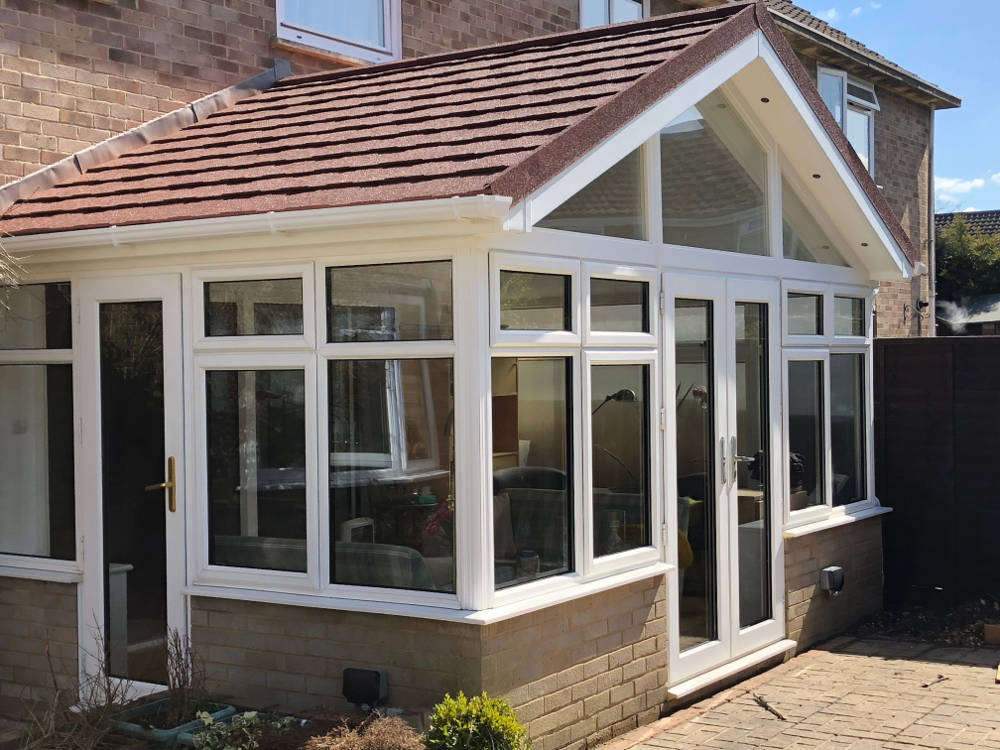
Adding a conservatory, orangery, or glass extension transforms both your lifestyle and property value. Yet for many homeowners, the gap between vision and reality comes down to funding. Understanding modern financing options helps turn architectural dreams into lived experiences without depleting savings or waiting years to accumulate funds.
The UK home improvement market has evolved significantly, with finance becoming an integral part of project planning. Recent data from the Home Builders Federation shows that 42% of major home improvements now involve some form of financing, up from just 18% a decade ago.
Understanding the True Value of Extensions
Before exploring financing options, it’s worth understanding what you’re investing in. Quality conservatories and extensions deliver returns beyond simple square footage additions.
Property value increases typically range from 5-15% for well-designed additions. However, the lifestyle benefits often outweigh financial returns. Year-round living space, enhanced natural light, and seamless indoor-outdoor connections improve daily life immeasurably.
Energy-efficient designs featuring high-performance glazing, underfloor heating, and proper insulation can actually reduce overall household energy costs. Modern extensions work harder than their predecessors, providing comfortable environments throughout the year whilst managing energy consumption intelligently.
Traditional Financing Routes
Remortgaging for Home Improvements
Remortgaging remains popular for funding substantial home improvements. Current mortgage rates often provide the lowest cost borrowing, particularly for homeowners with significant equity. The process involves replacing your existing mortgage with a larger one, releasing capital for improvements.
However, remortgaging brings complications. Early repayment charges on existing mortgages can reach thousands of pounds. The application process typically takes 6-8 weeks, potentially delaying project starts. Some homeowners prefer keeping their current mortgage deals intact, especially those on favourable lifetime tracker rates.
Personal Loans
Unsecured personal loans offer simplicity and speed for smaller projects. Approval often comes within days, with funds available almost immediately. For conservatory projects under £25,000, personal loans provide straightforward solutions.
Interest rates vary significantly based on credit profiles and loan amounts. The best rates typically apply to loans between £7,500-£15,000. Larger amounts often attract higher rates, making personal loans less cost-effective for substantial extensions.
Secured Loan Advantages
Secured loans, also known as second-charge mortgages, have emerged as optimal solutions for home improvement financing. These loans use your property as security whilst leaving existing mortgages untouched.
ABC Finance, specialists in secured lending for home improvements, highlight several advantages. Secured loans typically offer lower interest rates than personal loans for larger amounts. Borrowing capacity extends up to £250,000 or more, covering even ambitious extension projects.
The application process proves faster than remortgaging, with decisions often within two weeks. This speed helps maintain project momentum once you’ve committed to plans and contractors. Fixed-rate options provide payment certainty throughout the loan term, essential for household budgeting.
Alternative Financing Methods
Home Improvement Loans
Specialist home improvement loans bridge the gap between personal and secured lending. These products often feature staged drawdowns aligned with project progress, ensuring funds arrive when needed without paying interest on unused capital.
Some lenders offer interest-only periods during construction, converting to capital repayment upon completion. This structure helps manage cash flow during potentially disrupted living arrangements.
Equity Release for Over-55s
Older homeowners might consider equity release schemes to fund improvements. These lifetime mortgages require no monthly repayments, with interest rolling up until the property sells. For retirees wanting to enhance their homes without impacting monthly budgets, equity release provides viable options.
However, compound interest means costs accumulate rapidly. Professional advice is essential before pursuing equity release, ensuring family members understand implications for inheritance.
Government Green Homes Grants
Whilst specific schemes evolve regularly, government initiatives often support energy-efficient home improvements. Current and future programmes may offer grants, interest-free loans, or subsidies for qualifying improvements.
High-performance conservatories and extensions incorporating renewable technologies sometimes qualify for support. Check current schemes when planning projects – even partial funding helps overall affordability.
Calculating Realistic Budgets
Successful financing starts with accurate budgeting. Extension costs vary dramatically based on specifications, but general guidelines help initial planning:
- Basic conservatories: £10,000-£20,000
- High-specification orangeries: £30,000-£70,000
- Full glass extensions: £40,000-£100,000+
These figures represent construction costs only. Complete budgets must include:
Professional Fees (10-15%)
- Architectural design
- Structural engineering
- Planning consultants
- Building control
Ground Conditions
- Site surveys
- Foundation specifications
- Drainage connections
- Service relocations
Interior Finishing
- Flooring systems
- Heating solutions
- Electrical installations
- Decoration and furnishing
Add 10-20% contingency funds for unexpected discoveries or specification changes. Experienced contractors help identify potential issues early, but surprises remain possible in any construction project.
Timing Your Finance Application
Strategic timing maximises financing effectiveness and minimises costs. Consider these scheduling factors:
Pre-Planning Application
Some homeowners secure provisional finance before applying for planning permission. This approach confirms affordability and strengthens contractor negotiations. However, avoid finalising loans until planning approval is certain.
Post-Planning Approval
Most financing applications proceed after securing planning permission. Approved plans provide certainty for lenders and accurate quotes from contractors. This timing also allows adjustment if planning conditions affect costs.
Seasonal Considerations
Construction timing affects both costs and living disruption. Spring starts enable summer completion when outdoor living provides alternative spaces. Autumn projects might secure better contractor availability and potentially lower prices.
Making Finance Work for You
Compare Total Costs
Focus on total repayment amounts rather than monthly payments alone. A longer-term loan with lower monthly payments might cost significantly more overall. Use online calculators to compare different options across various terms.
Protect Your Credit Score
Multiple finance applications damage credit scores through hard searches. Research thoroughly before applying, using eligibility checkers where available. Work with brokers who understand construction finance to avoid unsuccessful applications.
Consider Future Flexibility
Choose finance products allowing overpayments without penalties. If your financial situation improves, clearing debt early saves substantial interest. Some secured loans permit payment holidays, useful if circumstances change temporarily.
Professional Advice
Independent financial advisers provide valuable guidance for significant borrowing. Whole-of-market brokers access products unavailable directly to consumers. Their expertise often identifies optimal solutions whilst navigating complex criteria.
The Path to Your Perfect Space
Financing shouldn’t be a barrier to creating your ideal living environment. Modern lending options make quality extensions accessible without depleting savings or postponing dreams indefinitely.
Start by establishing realistic budgets including all associated costs. Research financing options early, understanding how different products align with your circumstances. Engage professionals – both for construction and financial advice – ensuring informed decisions throughout.
Remember that well-executed extensions represent investments, not expenses. Quality additions enhance daily life whilst increasing property value. By choosing appropriate financing, you spread costs manageably whilst immediately enjoying transformation benefits.
Your dream conservatory or extension awaits. With careful planning and smart financing, the journey from concept to completion proves smoother than many homeowners imagine. The key lies in understanding options, calculating accurately, and proceeding with confidence backed by professional guidance.