
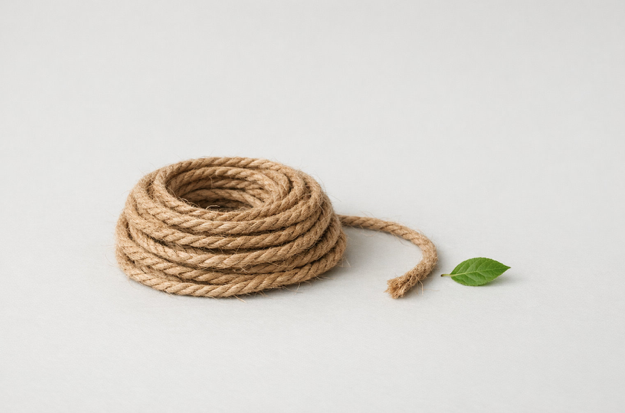
As spring approaches, gardeners are eager to rejuvenate their outdoor spaces. A key component in preparing your garden for the new season is selecting the right materials that support both plant growth and environmental sustainability. Biodegradable garden rope offers a smart solution that combines functionality with eco-friendliness.
Spring is the perfect time to refresh your garden, and using biodegradable garden rope can significantly enhance your gardening efforts. This type of rope is ideal for supporting plants, tying structures, and creating trellises. Unlike synthetic options, biodegradable ropes break down naturally, reducing environmental impact. Incorporating Garden Ropes into your gardening practices not only benefits your plants but also contributes to a healthier planet. Additionally, biodegradable garden twine can serve a similar purpose, offering an alternative for gardeners seeking flexible ties for delicate blooms.
The benefits of biodegradable rope
Biodegradable garden rope is made from natural fibres such as jute, sisal, or cotton, which decompose over time. This characteristic makes it an excellent choice for environmentally conscious gardeners. As the rope breaks down, it enriches the soil, providing nutrients that benefit plant growth. Additionally, these ropes are sturdy enough to support a variety of garden structures and plants, ensuring your garden remains organised and thriving. Additionally, some gardeners also choose natural garden rope for its compostable qualities and reliable durability. Using eco-friendly garden rope helps maintain a low-impact approach to garden management while ensuring robust support for your plants.
Using biodegradable garden rope also reduces waste, as it eliminates the need for synthetic materials that can linger in the environment for years. This sustainable choice aligns with the growing trend of eco-friendly gardening, where reducing carbon footprints and promoting biodiversity are top priorities. By choosing biodegradable options, you contribute to a sustainable gardening ecosystem. Likewise, sustainable garden twine provides an excellent alternative for tying climbing vegetables, all while maintaining a minimal carbon footprint. Additionally, organic garden twine can support tender seedlings without introducing synthetic materials into your growing environment.
Another significant advantage of this rope is its versatility across different weather conditions and seasons. Whether you opt for jute garden rope, you will find that natural fibres possess excellent moisture-wicking properties, which help prevent the accumulation of excess water that could lead to rot or mildew on your plants. Similarly, sisal rope for plants can offer reliable support in damp spring conditions without compromising stem health.
Applications in garden design
This type of rope is versatile and can be used in numerous ways to enhance your garden’s design and functionality. It is perfect for creating plant supports, such as trellises and frames, which help climbing plants like tomatoes and beans grow vertically. This not only maximises space but also improves air circulation, reducing the risk of disease. For gardeners aiming to reduce their environmental impact, eco friendly garden rope is just as effective as traditional rope for supporting climbing plants.
In addition to plant supports, biodegradable rope can be used to define garden paths or borders, adding a rustic charm to your outdoor space. It is also ideal for tying together garden structures like pergolas or gazebos, ensuring they remain stable while blending seamlessly with the natural environment. Alternatively, natural garden rope can add visual appeal to pathways, blending well with rustic or cottage-style decor. The use of biodegradable rope in garden design supports a cohesive and sustainable aesthetic.
Choosing the right biodegradable rope
When selecting the right biodegradable rope, consider your garden’s specific needs. Jute and sisal ropes are popular choices due to their strength and durability. They are suitable for most gardening applications, including tying plants and securing structures. For more delicate tasks, such as supporting young seedlings, cotton rope may be preferable due to its softer texture. Many gardeners find that jute garden rope works well for medium-sized plants, offering stability without harming stems. For heavier loads, sisal rope for plants provides excellent support thanks to its strong, fibrous structure.
Maintaining your garden with biodegradable materials
To maintain a healthy and sustainable garden, regular inspection and replacement of biodegradable materials are essential. As biodegradable ropes decompose, they should be monitored and replaced as needed to continue providing adequate support. This practice not only extends the lifespan of your garden structures but also supports soil health as the ropes break down. Similarly, biodegradable garden twine needs occasional replacement to uphold reliable plant support, especially during growth spurts. If you prefer a sturdier option, sustainable garden twine may offer longer-lasting performance between planting seasons.
Incorporating biodegradable supplies into your gardening routine is a simple yet effective way to promote sustainability. By choosing natural materials, you reduce environmental impact and support the health of your garden. Using organic garden twine is another strategy that fosters a healthier environment for seedlings and mature plants alike. As you prepare your garden for spring, consider the benefits of biodegradable options to enhance both your gardening experience and the planet’s well-being.