
Modern construction equipment has changed how buildings take shape. Work moves faster, accuracy is higher, and sites operate with fewer risks. From early groundworks to final fit-out, machines now guide how teams build and how projects move forward across the construction industry.
Equipment as the Backbone of Today’s Construction Site
On an active construction site, equipment shapes daily operations. Machines define where work happens, how materials move, and how trades share space. When site equipment fits the job, crews spend less time waiting and more time working.
Clear equipment placement also reduces congestion. Machines stay within defined zones, which limits clashes between trades. This helps supervisors manage space and keeps work moving smoothly during busy shifts.
Heavy Machinery Driving Large and Complex Builds
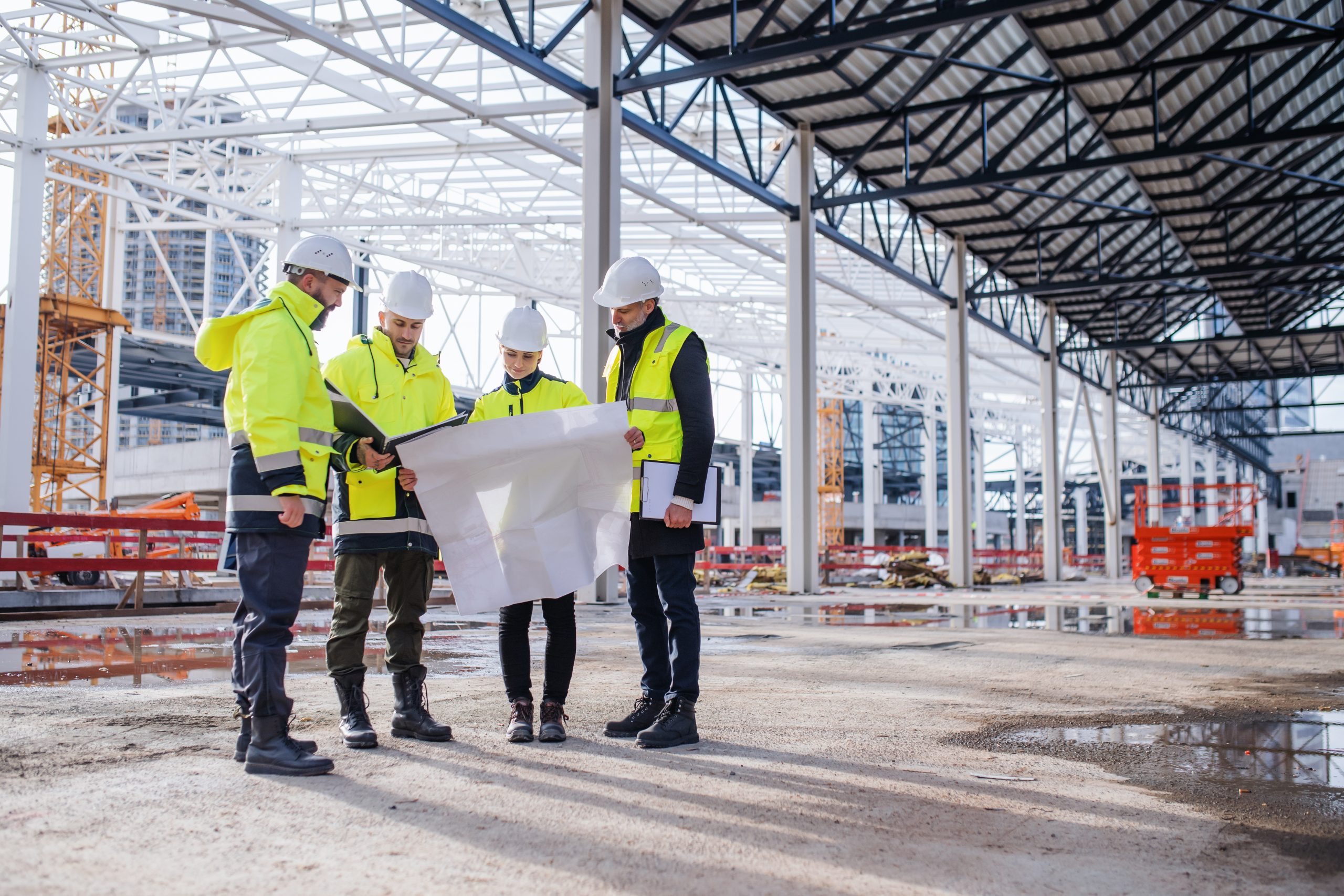 Large construction projects depend on machines built for scale. These machines handle height, weight, and ground conditions that manual methods can’t support. As project size increases, precision and load control become just as important as raw power.
Tower cranes, mobile cranes, and crawler mounted cranes
Tower cranes support vertical construction by lifting materials to exact heights. They work well on dense sites where space is limited. Because they stay fixed, crews can plan lifts with precision and reduce unnecessary movement on site.
Mobile cranes suit sites that need flexibility. They set up quickly and move between lift points with ease, which makes them useful for short-term tasks or staged construction. Crawler mounted cranes handle uneven ground and heavy loads. Their tracked bases spread weight evenly, allowing safe lifts without extensive ground preparation. Choosing the right crane type helps teams lift safely while keeping schedules tight.
Power shovel, backhoe loader, and dredging equipment
Earthmoving equipment prepares sites quickly and accurately. A power shovel moves large volumes of soil while maintaining control over cut depth and placement. This supports consistent groundwork across large areas.
However, not all excavation challenges can be solved with standard buckets or fixed tooling. Complex ground conditions, tight work zones, and specialised material handling often require more precise solutions. In these cases, using bespoke excavator attachments allows operators to adapt their machines to specific site demands without slowing progress or bringing in additional equipment.
A backhoe loader also offers flexibility on mixed-use sites. It handles digging, loading, and trench work without needing multiple machines. Dredging equipment supports construction near water by clearing sediment and shaping stable foundations. These machines allow work to continue even in locations where traditional excavation would slow progress.
Concrete and Structural Support Equipment Improving Build Quality
Once groundworks are complete, build quality depends on material control. Modern machines help crews place and test materials with greater consistency.
Concrete mixers and pumping equipment
Concrete mixers deliver uniform mixes that meet design requirements. This improves strength and reduces waste. Pumping equipment moves concrete through hoses and booms with steady flow.
These systems support sites with limited access. Multi-storey buildings and narrow footprints benefit from faster placement and cleaner pours. Crews complete structural work with fewer interruptions.
Pile driving equipment and material testing equipment
Pile driving equipment applies controlled force to secure deep foundations. Operators adjust settings based on soil conditions, which improves long-term stability.
Material testing equipment allows checks to happen on site. Crews test concrete strength and soil density without waiting for off-site results. Faster feedback keeps work moving and limits the risk of later corrections.
Smaller Construction Tools That Speed Up Daily Site Work
While large machines handle structure and scale, smaller construction tools drive hands-on progress. These tools affect how quickly individual tasks are completed.
Power tools used across framing and fit-out
Power tools such as impact drivers and circular saws support fast, repeatable work. Improved battery life reduces downtime. Better balance and grip improve control during detailed tasks.
These upgrades make daily work easier on crews. Tasks take less effort, which supports steady output throughout the day. Over time, these gains help teams complete sections without falling behind.
Safety and Movement Improvements Through Smarter Equipment
Modern equipment design pays closer attention to how workers move around site. Better access and built-in protections support safer routines during busy operations.
Passenger hoists and access systems
Passenger hoists move workers between levels quickly and safely. On tall structures, this reduces fatigue and saves time. Crews reach work areas without relying on material lifts.
Clear access routes also improve coordination. Teams adjust schedules without delays caused by congestion. Safety glasses and built-in machine protections add further support during active work, helping reduce injuries without slowing progress.
Planning and Coordination Gains from Modern Equipment
Equipment choices now shape project planning before work begins. Managers select machines based on site size, soil conditions, and build height. This early alignment helps avoid delays once construction starts.
Modern equipment also supports more accurate scheduling. Lift capacity, reach, and operating speed are factored into timelines from the start. This allows teams to sequence tasks more effectively and reduce idle time between stages. When machinery performance is predictable, coordination across trades becomes easier, and delivery dates are easier to manage.
Conclusion
Modern construction equipment has reshaped how structures are built. Machines now support safer sites, stronger builds, and better coordination from start to finish. As projects continue to grow in size and complexity, equipment will remain a driving force behind successful construction work.