
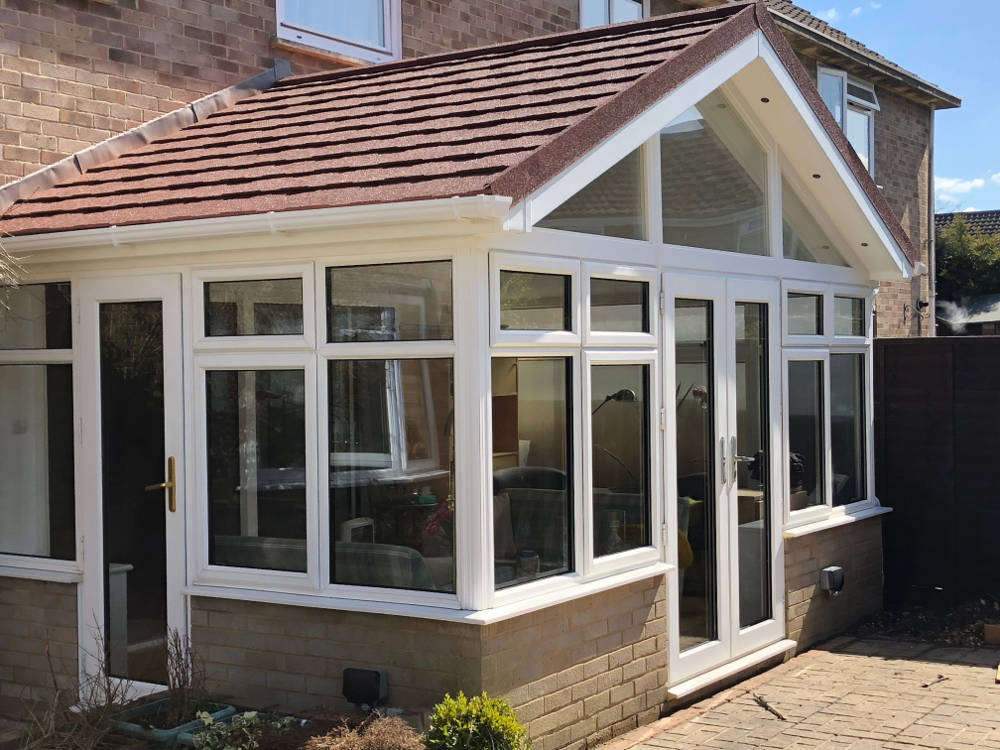
Building a conservatory or home extension is an exciting opportunity to expand your living space, increase natural light, and improve the overall comfort of your home. Most homeowners focus on design features such as glazing, roofing, insulation, and layout, but one essential element is often overlooked in the early stages of planning: plumbing. Even if you are not installing a bathroom or kitchen within the extension, your new structure may still affect how water flows, drains, and behaves around the property.
Overlooking plumbing considerations can lead to long-term moisture problems, hidden leaks, poor drainage, and complications that are far more expensive to fix after construction. Whether the project involves a fully glazed conservatory, an orangery, or a solid-roof extension, it is essential to understand how water systems interact with the new structure. Addressing these issues from the start ensures your extension remains safe, comfortable, and structurally sound for decades to come.
1. Understanding the Impact of Existing Drainage Systems
Before any foundations are laid, it is important to survey the position of existing drainage lines. Many UK homes have underground waste pipes, stormwater drains, and soakaways running close to the rear or side of the property, precisely where conservatories and extensions are commonly built.
Building over or too close to these lines without proper planning can create several issues:
- Restricted access for future repairs
- Increased risk of pipe damage during excavation
- Potential blockages caused by soil movement or structural weight
- Complications with building regulations approval
A professional survey can determine the exact routing of drains and help you adjust the extension’s placement if necessary. In some cases, rerouting a drain or adding access points may be required. While this may add to the project timeline, it prevents major problems later.
2. Water Management Around the New Structure
Even if your conservatory does not contain internal plumbing, water still plays a major role in maintaining the structure’s integrity. Rainwater runoff, roof drainage, and ground moisture must be managed effectively to prevent long-term damage.
Key considerations include:
- Ensuring guttering and downpipes blend with the existing system
- Directing rainwater away from the foundations
- Preventing water pooling near doors or thresholds
- Adding adequate soakaways or drainage channels
Poor water management is one of the most common causes of dampness, mould, and structural deterioration in conservatories. By integrating proper drainage solutions from the outset, you can protect both the extension and the main property from unnecessary moisture exposure.
3. Pipework Adjustments When Connecting Heated Spaces
Home extensions that include radiators, underfloor heating, or utility areas require additional pipework. Extending heating or hot water lines may seem straightforward, but the complexity varies widely based on the original system’s age, layout, and capacity.
A few factors to keep in mind:
- Older boilers may not support additional pipe runs
- Extending pipework through external walls requires insulation to prevent heat loss
- Wrong pipe placements can lead to a pressure imbalance
- Underfloor heating may require separate controls
By involving heating and plumbing professionals early, you ensure the comfort and efficiency of the new space while avoiding common performance issues.
4. Protecting the Foundation From Moisture and Leaks
Water can travel in unexpected ways through soil, brickwork, and slab foundations. When building an extension, even a small modification to the ground level or the property exterior can change how water moves around your home.
Homeowners should consider:
- Damp-proof membranes beneath the extension
- Foundation depth relative to the surrounding soil
- Potential leak paths from nearby pipe joints
- Proper sealing around external taps or utility connections
Because foundations are extremely expensive to correct after construction, early planning is crucial. The goal is to create a dry and stable environment that discourages mould growth and maintains the long-term integrity of the new structure.
5. Ensuring Compliance With Building Regulations
In the UK, Building Regulations cover drainage, waste lines, hot water safety, and structural interaction with plumbing systems. Even small modifications can trigger compliance requirements, especially if the project affects load-bearing walls or existing utilities.
Common regulatory points include:
- Ensuring pipes remain accessible for maintenance
- Providing adequate ventilation for boilers and heating appliances
- Meeting insulation requirements for external pipework
- Guaranteeing the safe installation of any new water outlets
Working with qualified professionals ensures that your project meets legal expectations and passes final inspections smoothly.
6. The Importance of Professional Guidance
During planning, many homeowners rely on architectural drawings and structural specifications while overlooking the fine details of how water systems integrate with the extension. This is where consulting a plumbing renovation service can make a significant difference. Experienced professionals can identify potential risks, recommend safe pipe rerouting strategies, assess drainage capacity, and evaluate how the extension might affect long-term water flow around the property.
By seeking expert advice early, you reduce the likelihood of hidden issues emerging months or years after construction. This proactive approach is especially important when building near older clay, copper, or cast-iron pipes that may be more fragile and susceptible to disturbance during excavation.
7. Final Checks Before the Build Begins
Before construction starts, ensure you have completed the following:
- A full survey of existing drains and underground pipework
- Confirmation of heating system compatibility
- A drainage plan for roof runoff and surface water
- Placement of access points for future plumbing maintenance
- Proper insulation for any exposed pipes
- Compliance with all Building Regulations
Completing this checklist helps ensure a smooth build process and reduces the risk of costly surprises.
Conclusion
A conservatory or home extension can transform your living space, create more natural light, and add significant value to your home. However, the success of the project depends on more than just design and aesthetics. By paying close attention to hidden plumbing considerations from drainage and foundational moisture control to heating system integration, homeowners can protect their investment and enjoy a reliable, comfortable living environment.
Taking the time to assess and address these issues early ensures that the extension not only looks beautiful but performs flawlessly for years to come. With careful planning and expert guidance, your new space can be both stunning and structurally sound, providing long-term comfort and peace of mind.