
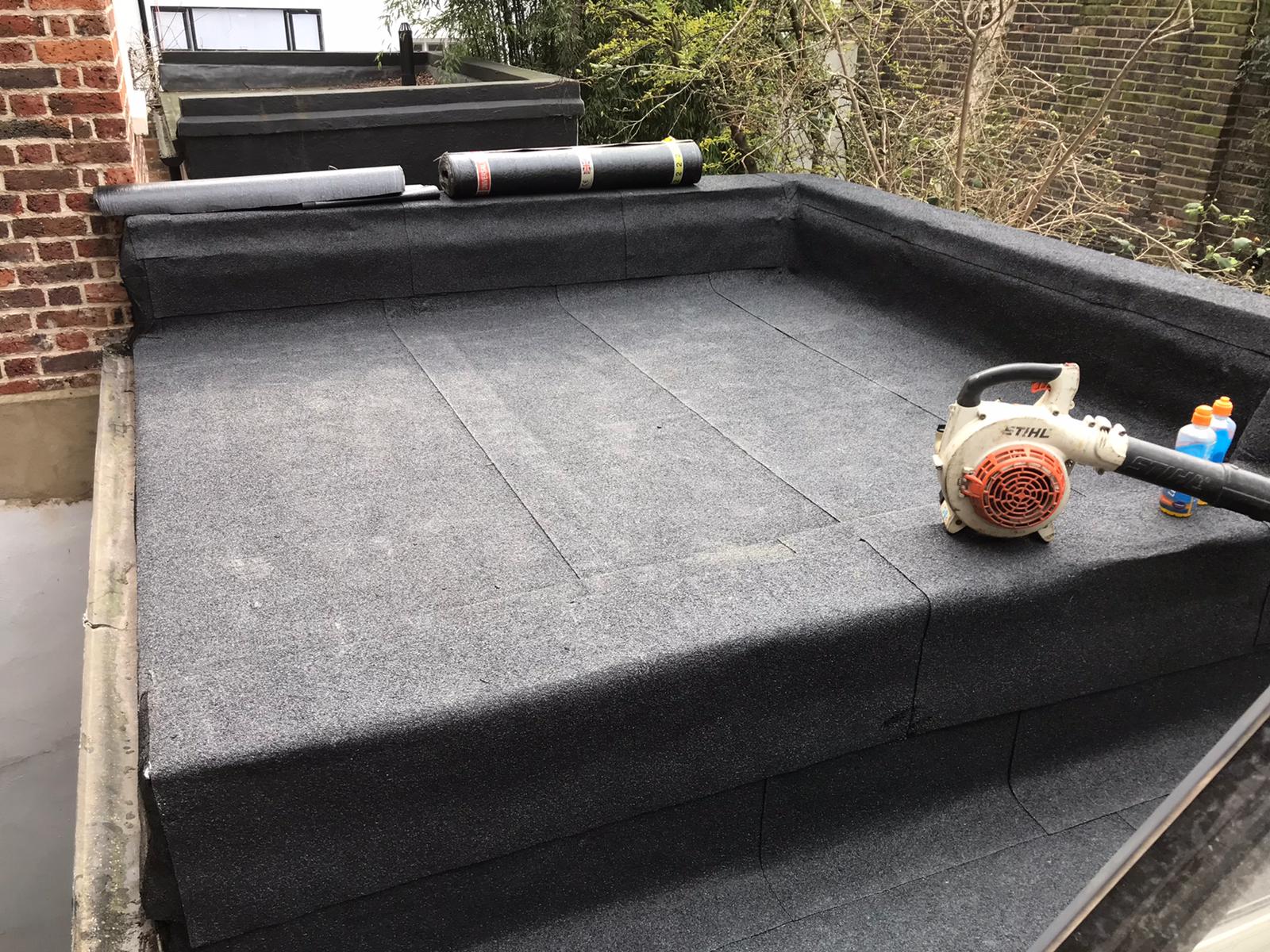
When planning a home extension, garden room or contemporary loft conversion, the flat roof can be one of the most misunderstood elements of the design. While pitched roofs have dominated UK residential construction for centuries, flat roof installations have surged in popularity thanks to their clean lines, practical use of space and compatibility with modern design trends.
Yet this popularity has come with a rising need for better understanding of flat roof durability and waterproofing performance. Incorrect detailing or low-performance membranes can lead to leaks, increased maintenance costs and a shorter effective lifespan for your asset. This article explores how homeowners can make informed decisions about flat roof waterproofing, avoid common pitfalls and ensure excellent performance over decades.
Why Flat Roof Performance Matters to Homeowners
Even modestly sized contemporary builds, such as garden rooms or home extensions, rely on flat roofs to protect internal spaces from the UK’s unpredictable weather. Unlike traditional pitched roofs, flat roofs have a near-horizontal plane, which means water does not run off as quickly, and high-performance waterproofing becomes essential.
An effectively waterproofed flat roof:
- Protects interior spaces from water ingress
- Supports insulation for year-round comfort
- Enables addition of solar or green roof systems
- Reduces maintenance costs over time
Ensuring robust waterproofing is therefore not just a technical requirement – it’s a homeowner decision that protects aesthetics, usability and long-term value.
Understanding Key Performance Factors
Before choosing a material or contractor, it helps to understand what impacts flat roof performance most significantly.
Key Factors in Flat Roof Durability
| Performance Factor | What It Means | Why It Matters |
| UV Resistance | Ability to withstand sunlight | Reduces material ageing |
| Flexibility | Accommodates expansion and contraction | Prevents cracks |
| Seam Integrity | Strength of membrane joins | Limits risk of leaks |
| Drainage Design | Structured fall to outlets | Reduces ponding |
| Installer Quality | Experience and accreditation | Ensures correct application |
Every factor in this table combines to determine how well a roof will hold up under real-world conditions.
Common Missteps and How to Avoid Them
Homeowners often underestimate the complexity of flat roof waterproofing:
- Choosing lowest price over performance: Low initial cost can lead to premature failure.
- Assuming all membranes are equal: Material properties vary widely.
- Neglecting detailing at edges and penetrations: These are common leak points.
Specifiers and renovators can save significant cost and frustration by engaging early with experienced roofing professionals and by prioritising proven waterproofing systems.
Expert Insight on Waterproofing Solutions
As ICB Waterproofing, the UK distributor of alwitra®, explains “Flat roof water proofing should always be a decision that blends durability with long-term performance. Homeowners planning contemporary extensions or roof terraces benefit most from systems that deliver strong UV resistance, flexibility and proven seam reliability. Flat roof water proofing solutions showcased at www.alwitra.co.uk combine these factors and help protect investments over decades.”
This kind of expert insight helps homeowners understand that performance and long-term outcomes should drive material choice rather than cost alone.
How to Choose the Right System for Your Home
Selecting the best waterproofing approach depends on multiple factors:
- Roof size and slope
- Expected loading (e.g., plant, solar)
- Climate exposure
- Access for maintenance
Many modern single-ply membranes outperform traditional felt or bitumen options in terms of durability, flexibility and long-term performance, making them popular in contemporary home builds.
Maintenance and Longevity Tips for Homeowners
Once installed, good maintenance routines ensure your flat roof continues to perform:
- Inspect outlets and drains every season
- Remove debris to prevent ponding
- Monitor membrane condition annually
- Schedule professional inspections after severe weather
These proactive steps can significantly extend roof life and reduce repair bills.
From Cost Centre to Strategic Asset
Flat roofs are no longer a simple afterthought in modern home design. When correctly specified and installed, they enhance usable space, support sustainability upgrades like solar PV and contribute to the overall value of a property.
A well-performed waterproofing system protects comfort, reduces long-term costs and ensures that your contemporary extension stands the test of time.