
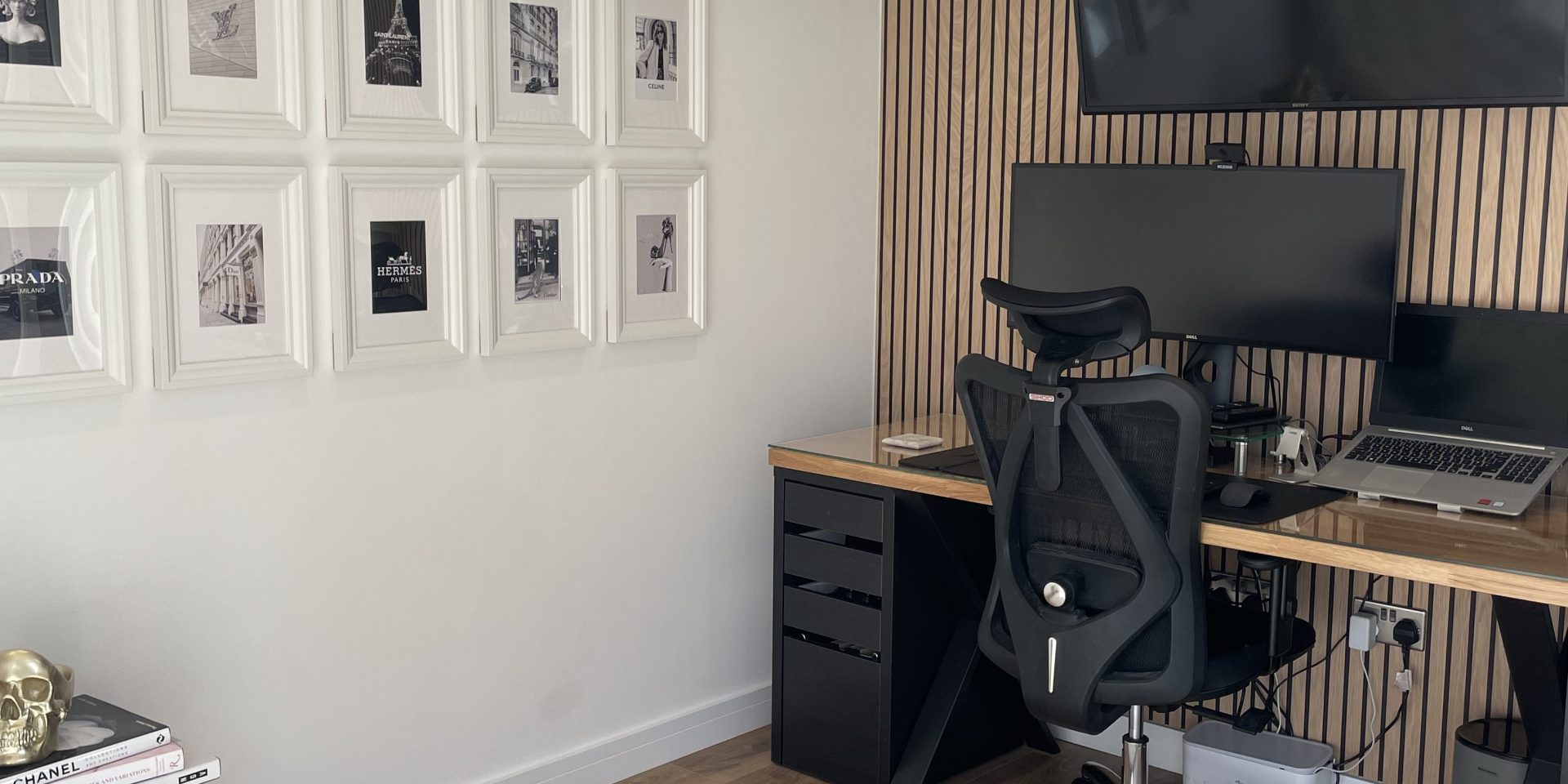
Studying online often happens in rooms never planned for focus, spare bedrooms, dining areas, or corners of a busy home, and when the space feels improvised, learning at home starts to feel heavier than it needs to be. Instead of forcing productivity, small renovation focused changes help shift how a room supports daily study, especially when those changes start with the walls.
This applies across online education paths, whether you are completing an online bachelor’s in education, working through a business master’s degree, or following structured coursework from home. The physical environment shapes attention, comfort, and routine, and walls influence more of that experience than most people realise.
Rethinking wall colour for mental separation
Wall colour plays a quiet but constant role during study hours. Bright whites often reflect glare from screens, while darker tones absorb too much light and shrink the room visually. During light renovation work, soft neutral shades, muted greens, warm greys, or pale clay tones support longer focus without distraction.
In homes where rooms serve multiple purposes, colour also helps define zones. A painted accent wall behind a desk visually separates study space from living space, even without structural changes. This approach works especially well in open plan layouts where learning at home shares space with everyday activity.
Improving lighting through wall planning
Lighting mistakes turn studying into a strain, overhead fixtures alone create shadows, while poorly placed lamps add glare. Wall mounted lighting offers a more balanced solution, especially during remodels or partial upgrades.
Sconces installed at eye level provide even light across a workspace, reducing screen contrast issues and eye fatigue. Adjustable wall lights give flexibility across different study hours, early mornings or late evenings, without taking up desk space. During renovation planning, routing wiring through walls keeps the setup clean and permanent rather than temporary.
Using walls to control noise and distraction
Noise control matters more than people expect, especially in shared homes. Thin internal walls allow sound to travel freely, turning concentration into a challenge. Sound focused wall upgrades bring immediate improvement without full structural overhaul.
Adding acoustic panels, fabric wall sections, or insulated plasterboard reduces sound transfer from adjoining rooms. Even built in bookcases along shared walls add mass, helping absorb noise while providing storage. For those balancing work, family life, and online education, these changes support consistency and routine.
Built-in storage to reduce visual clutter
Clutter distracts, especially when studying happens at home. Wall-mounted storage clears the desk and floor, keeping essential materials within reach without overwhelming the space.
Floating shelves, recessed niches, and full-height cabinetry transform unused wall space into functional storage. During renovation, integrating storage directly into walls creates a finished look while reducing the need for extra furniture. A cleaner visual field supports longer focus sessions and makes learning at home feel intentional rather than improvised.
Creating a dedicated study zone through wall layout
In many homes, space limitations prevent separate rooms for study. Walls still help define purpose. Partial walls, slatted dividers, or framed wall sections establish visual boundaries without closing off light or airflow.
This approach suits loft conversions, garage remodels, and multi use rooms. A defined wall-backed study area signals transition into study mode, reinforcing routine for students across all levels, from short courses to full degree programs.
Wall finishes that support comfort over time
Wall finishes affect comfort more than appearance alone. Hard glossy surfaces reflect sound and light aggressively, while textured finishes soften the room experience. During refurbishment projects, plaster textures, timber panels, or fabric-backed wall systems introduce warmth without overwhelming the design.
These finishes also improve durability in high-use spaces. Study areas see frequent contact, leaning chairs, shelving adjustments, and cable movement. Choosing resilient wall materials reduces maintenance while supporting daily use tied to online education schedules.
Cable management built into the wall design
Messy cables undermine even the best-designed study space. Renovation offers the chance to solve this permanently. In wall cable routing, concealed outlets, and integrated trunking keep technology organised and safe.
Wall mounted desks paired with hidden power access free up floor space and simplify cleaning. For students balancing coursework alongside work or family life, reduced friction in the environment supports consistency and reduces setup time before each study session.
Why walls deserve priority in study focused renovations
Walls shape how a room feels, sounds, and functions. They control light, manage noise, support storage, and define purpose. For homeowners investing in renovation or remodeling, aligning wall design with learning at home needs adds long term value.
Study spaces no longer serve a temporary role. Online bachelor’s in education programs, business master’s degree pathways, and professional courses continue to anchor learning inside the home. Renovation choices responding to this shift help homes stay flexible and functional over time.
A thoughtful wall strategy transforms studying from something squeezed into daily life into an experience supported by the space itself, grounded in practical design decisions rather than surface level decoration.