
Introduction
Steel structures form the backbone of modern infrastructure, from bridges and factories to high-rise buildings. Proper surface cleaning is essential to ensure coating adhesion, corrosion resistance, and structural longevity. Pulsed laser technology has become a leading solution for precision surface cleaning in steel applications.
This article explores how pulsed laser cleaning works, its advantages, and why it is widely used for rust and oil removal in industrial steel structures.
Understanding Pulsed Laser Cleaning Technology
Pulsed laser cleaning uses short, high-energy laser bursts to remove contaminants without overheating the base metal. The pulsed nature allows precise energy control, making it ideal for sensitive steel surfaces.
Unlike continuous-wave lasers, pulsed systems minimize thermal impact while maintaining high cleaning efficiency.
Key Applications in Steel Structure Maintenance
Rust Removal
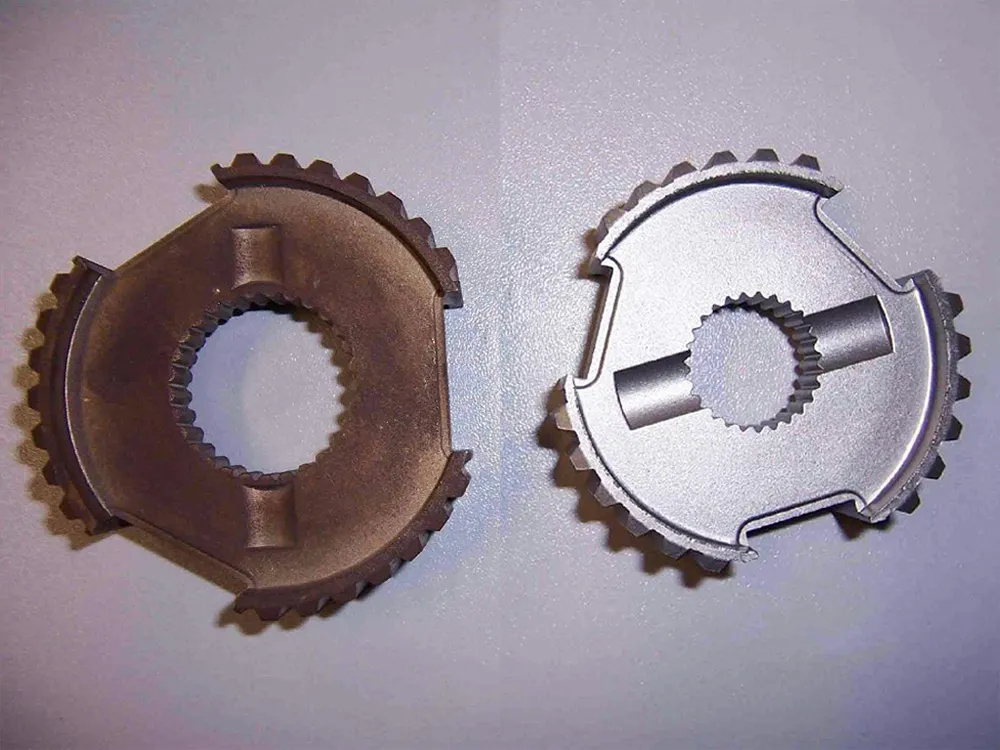
Laser pulses effectively break down iron oxide layers, restoring steel surfaces without abrasive damage. This is essential for maintenance and refurbishment projects.
Oil and Grease Cleaning
Before welding or coating, steel components must be oil-free. Pulsed laser cleaning removes oils at a microscopic level, ensuring superior adhesion.
Weld Preparation and Inspection
Clean steel surfaces improve weld strength and reduce defects. Laser cleaning is increasingly integrated into automated welding lines.
Advantages Over Traditional Cleaning Methods
Non-Abrasive and Non-Contact
Pulsed laser systems do not wear down steel surfaces, preserving dimensional accuracy and mechanical strength.
High Precision
Operators can target specific areas, making laser cleaning ideal for complex steel geometries.
Automation Compatibility
Laser systems integrate easily into robotic and automated production lines, improving efficiency and consistency.
Choosing the Right Pulsed Laser Cleaning Machine
For industrial users, selecting a reliable system is critical. A pulsed laser cleaning machine for rust and oil removal offers adjustable power levels, stable pulse control, and high operational efficiency, making it suitable for heavy-duty steel applications.
Conclusion
Pulsed laser technology has revolutionized surface cleaning for steel structures. Its precision, safety, and efficiency outperform traditional methods, making it an essential tool for modern industrial maintenance and fabrication. As demand for high-performance steel cleaning grows, pulsed laser systems will continue to set new standards in surface treatment.